October 11, 2026
What to Know About High-Potency Pet Edibles for Natural Support
By @highpotencypetediblesshop
When I first heard about high-potency pet edibles, I was skeptical. My own dog, a senior border collie with creaky hips and a nervous disposition, had been through the usual rounds of vet-prescribed medications. Some worked for a while, others brought side effects that made me wonder if the trade-off was worth it. A friend mentioned trying cbd dog chews for her anxious retriever, and that conversation led me down a rabbit hole I never expected: the world of nutraceuticals for pets, where phytocannabinoids and hemp oil are formulated not for humans but specifically for dogs and cats.
At first, the sheer variety of products felt overwhelming. There are cbd for cats options, dog cbd tinctures, pet hemp treats, and what the industry now calls high-potency pet edibles. The term "high-potency" here doesn't mean psychoactive or intoxicating. It refers to the concentration of beneficial cannabinoids, especially CBD, designed to support the endocannabinoid system that exists in all mammals. This system helps regulate mood, appetite, pain perception, and immune response. When I understood that, the whole category started making more sense.
How the Endocannabinoid System Works in Pets
Dogs and cats, like humans, have an endocannabinoid system composed of receptors throughout the brain, organs, and immune cells. These receptors respond to cannabinoids, whether produced naturally inside the body or introduced through plant sources like hemp oil. The goal of veterinary cbd products is to supplement this system gently, supporting balance without the high associated with THC-heavy cannabis.
Research on this is still young, but early studies and clinical observations suggest that phytocannabinoids from hemp can help with anxiety relief for dogs, joint discomfort, and even age-related cognitive decline. I have seen it firsthand with my own dog. After about two weeks of using a product from Nuleaf Naturals, his stiffness in the morning eased noticeably, and his willingness to go for walks returned. That kind of change is hard to dismiss as placebo.
Key Brands and Product Types Worth Knowing
Not all pet CBD treats are created equal. The market has matured enough that several brands have earned reputations for consistent sourcing and third-party testing. I have spent time researching and testing a handful, and a few names keep coming up in conversations with both pet owners and holistic veterinarians.
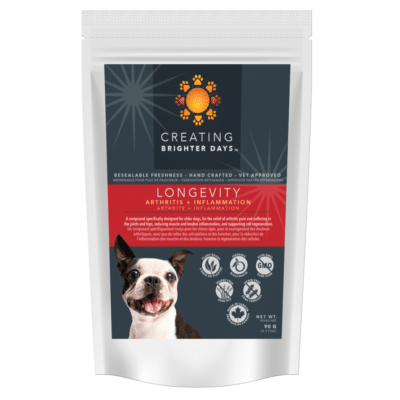
Green Roads is known for human CBD products, but they also offer pet-specific lines that are well reviewed. Charlotte's Web has extended into pet health with straightforward formulations. Veritas Farms uses full-spectrum hemp oil, which means you get a wider range of cannabinoids rather than just isolated CBD. Then there are dedicated pet brands like Pet Releaf, Bark and Spark, Pawtrait, and Apawthecary, all of which focus exclusively on animal wellness. Kush Pet Health is another label I have seen recommended, particularly for their high-potency pet edibles that combine CBD with other supportive herbs and mushroom extracts.
One thing I appreciate about these brands is that they tend to be transparent about sourcing. They list the hemp origin, the extraction method, and the results of independent lab tests. That kind of openness matters when you are putting something into your companion's body.
What to Look for in High-Potency Pet Edibles
When shopping for high-potency pet edibles, the label tells a lot. The first thing I check is whether the product uses full-spectrum hemp oil or CBD isolate. Full-spectrum contains a range of cannabinoids, terpenes, and flavonoids that work together through what researchers call the entourage effect. Isolate is just CBD on its own, which can still be effective but may lack the synergistic benefits.
Second, look at the carrier ingredients. Most cbd dog chews use a base like sweet potato, chicken, or peanut butter to make them palatable. That is fine, but I avoid anything with artificial preservatives, corn syrup, or excessive fillers. The best products keep the ingredient list short and recognizable.
Third, pay attention to the dosage. High-potency does not mean you should start with the maximum amount. Every animal metabolizes cannabinoids differently, especially cats, who are more sensitive to certain compounds. I always begin with a low dose, observe my dog's reaction over a few days, and adjust slowly. Most brands provide clear dosage guidelines based on weight, which takes the guesswork out of the process.
Practical Tips for First-Time Use
- Start with half the recommended dose for the first three days. Watch for changes in energy, appetite, and stool consistency.
- Give the edible with a small meal. Fat helps with absorption of cannabinoids, so a little bit of coconut oil or a spoonful of plain yogurt can help.
- Keep a journal. Note the time of day, the amount given, and any behavioral shifts. This helps you find the right dose without overdoing it.
I have also learned that timing matters. For anxiety relief for dogs, giving a chew about thirty to forty minutes before a stressful event, like a vet visit or a thunderstorm, works better than waiting until the dog is already distressed. For chronic joint issues, consistent daily dosing seems more effective than occasional use.
Common Misconceptions About Pet CBD and Hemp Products
One of the biggest worries I hear from other pet owners is the fear that these products might get their animal high. That concern is understandable but generally unfounded when you are using reputable, hemp-derived products. Hemp oil legally contains less than 0.3 percent THC, which is far below the threshold needed to produce psychoactive effects. The high-potency pet edibles on the market are formulated to target the endocannabinoid system without intoxicating the animal.
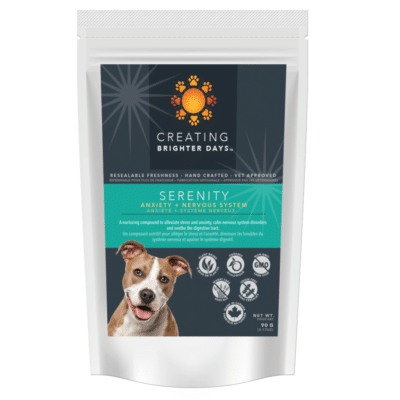
Another misconception is that all pet hemp treats are basically the same. In reality, differences in extraction method, carrier oil, and additional ingredients can change how a product works. For example, some chews include melatonin or chamomile for extra calming effect, while others focus purely on cannabinoids. Matching the product to your pet's specific needs makes a real difference.
I have also heard people say that CBD for cats is risky across the board. While cats do have a different metabolic pathway than dogs, many cats tolerate low-dose CBD well. The key is choosing a product designed specifically for felines, like those from Pet Releaf or Apawthecary, and consulting with a veterinarian who understands cannabinoid therapy.
Quality Control and Third-Party Testing
Because the regulatory landscape for pet supplements is still evolving, quality control falls heavily on the manufacturer. I only buy from companies that provide a certificate of analysis for each batch. That document should confirm the cannabinoid content and show that the product is free of heavy metals, pesticides, and mold. Nuleaf Naturals and Charlotte's Web both post these results online, which gives me confidence.
I also pay attention to the extraction method. CO2 extraction tends to preserve the full spectrum of cannabinoids without using harsh solvents. Ethanol extraction can also work well, but I avoid products that do not specify their method at all. Transparency in manufacturing is a reliable signal of overall quality.
Integrating Nutraceuticals for Pets Into a Daily Routine
Beyond the edibles themselves, I have found that the biggest benefit comes from consistency. Nutraceuticals for pets work best when they become part of a daily health routine, just like regular exercise and a balanced diet. I give my dog his chew each morning alongside breakfast. It takes less than a minute, and he now treats it as a treat rather than a chore.
Over the months, I have noticed subtler improvements too. His coat is glossier, his appetite is steadier, and he seems more relaxed when I leave the house. These are the kinds of outcomes that are hard to measure in a study but easy to feel as someone who lives with the animal every day.

For cats, the approach is similar but requires more patience. Many cats are picky eaters, so the texture and flavor of the chew matter. Some owners I know use tinctures or oils that can be added to wet food. Bark and Spark has a line that works well for both species, and their dosing guides are practical.
Final Thoughts From Experience
I do not think high-potency pet edibles are a cure-all. They will not replace good veterinary care, proper nutrition, or the love and attention we give our animals every day. But for owners who are looking for gentle, natural support for anxiety, joint health, or general well-being, they are worth a serious look. The science is still catching up to the anecdotal evidence, but the stories I hear from other pet owners and the changes I see in my own dog are hard to ignore.
If you are considering this route, take your time. Research brands, read labels, and talk to a vet who knows about veterinary cbd options. Start slow, observe closely, and trust what your animal tells you through their behavior. That is the same advice I would give for any change in a pet's health regimen. The difference here is that the tools available today, from Kush Pet Health to Veritas Farms, are better than anything we had even five years ago. And for that, I am genuinely grateful.
❧